
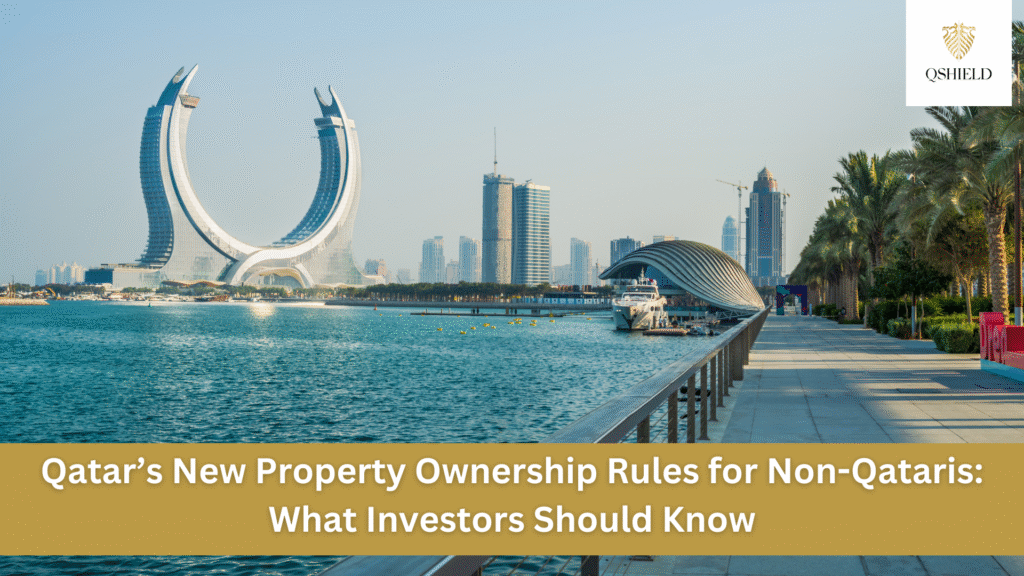
Qatar has taken another important step in strengthening its real estate investment environment by updating the framework for non-Qatari property ownership. Under Cabinet Resolution No. 21 of 2026, Qatar has updated the rules, procedures, and approved zones (where non-Qataris can own or use real estate).
For foreign investors, expatriates, developers, and business owners, this update is more than a property-related announcement. It reflects Qatar’s wider approach to creating a more structured, transparent, and investment-friendly real estate market. As Qatar continues to attract international talent, companies, and long-term residents, clear property ownership rules play an important role in building investor confidence.
What Has Changed?
The new Cabinet Resolution updates the previous framework under Resolution No. (28) of 2020. It revises the areas where non-Qataris are permitted to own real estate and clarifies the procedures connected to ownership and usufruct rights.
In simple terms, the update provides clearer direction on where foreign buyers can purchase property and how ownership-related procedures will be handled. This is important because real estate ownership in Qatar is linked to proper registration, documentation, legal compliance, and government procedures.
The resolution also confirms that the Real Estate Registration Department at the Ministry of Justice is responsible for handling procedures related to real estate ownership registration, usufruct rights, and related transactions. Buyers and investors should prepare all required documents, applications, and transaction records before starting the process.
Where Can Non-Qataris Own Property in Qatar?
Under the updated framework, non-Qataris may own real estate in 10 designated areas. These include:
West Bay, The Pearl Island, Al Khor Resort, Dafna, Onaiza, Lusail, Al Kharayej, Jabal Thuaileb, and Simaisma Resort and Beach Project.
These locations are already known for their commercial, residential, lifestyle, and investment value. Areas such as The Pearl Island, Lusail, West Bay, and Dafna are popular among investors (because of their strong infrastructure, waterfront developments, premium residential projects, and business connectivity).
For foreign buyers, this list helps reduce confusion. Instead of exploring the market without clarity, investors can focus on approved areas where ownership is permitted under the updated rules.
Why This Update Matters for Investors
Real estate investment is not only about choosing the right apartment, villa, or commercial unit. It also involves understanding ownership rights, government approvals, documentation, registration requirements, and compliance obligations.
For non-Qatari buyers, the updated rules provide a clearer investment path. They help buyers understand which areas are open for ownership and which authority is responsible for completing the registration process.
This is especially useful for expatriates who are planning long-term residence in Qatar, foreign companies exploring real estate assets, and investors seeking opportunities in high-demand locations. A clear ownership framework can help make decisions and reduce the risk of delays caused by incomplete information or incorrect documentation.
The Role of Documentation and Government Procedures
Property ownership involves several layers of paperwork. Buyers may need to prepare identification documents, proof of eligibility, sale agreements, ownership records, approvals, and other supporting documents, depending on the type of transaction.
Even when the investment opportunity looks attractive, missing or incorrect documents can slow down the process. Delays may occur when buyers are unsure about the required steps, the responsible government department, or the latest procedural updates.
This is where professional support becomes important. For non-Qatari buyers and companies, having proper guidance can make the process more organised. It helps ensure that documents are prepared correctly, submitted through the right channels, and aligned with Qatar’s current regulations.
What Businesses and Foreign Buyers Should Consider
Before purchasing property in Qatar, non-Qatari investors should check whether the property is located in an approved ownership zone. They should also review the type of ownership, the required documents, the registration process, and any related residency or investment benefits that may apply.
For companies, the process may also connect with corporate documentation, authorised signatories, commercial registration details, and internal approvals. This makes it important for business owners to keep their company records before entering property-related transactions.
Foreign investors should also avoid relying only on general market information. Real estate rules can change, and each transaction may have specific requirements. It is always better to verify details with the relevant authorities or work with experienced service providers who understand Qatar’s government procedures.
How QShield Can Support
QShield supports individuals, investors, and businesses with government-related processes in Qatar. For real estate-related matters, professional assistance can help clients understand documentation requirements, prepare applications, coordinate procedures, and reduce administrative delays.
As Qatar continues to develop its real estate sector, the need for reliable documentation and compliance support will become even more important. Foreign investors need confidence not only in the property they choose, but also in the process behind the transaction.
Conclusion
Qatar’s updated real estate ownership framework for non-Qataris is a positive development for the investment market. By expanding and clarifying designated ownership zones, the country is creating a more transparent path for foreign buyers and long-term investors.
For anyone planning to buy property in Qatar, the key is preparation. Understanding the approved areas, following the correct registration process, and keeping documentation in order can make the journey smoother and more secure.
With the right guidance, non-Qatari investors can approach Qatar’s real estate market with greater confidence and clarity.